Day Trading for Beginners: A Complete Roadmap
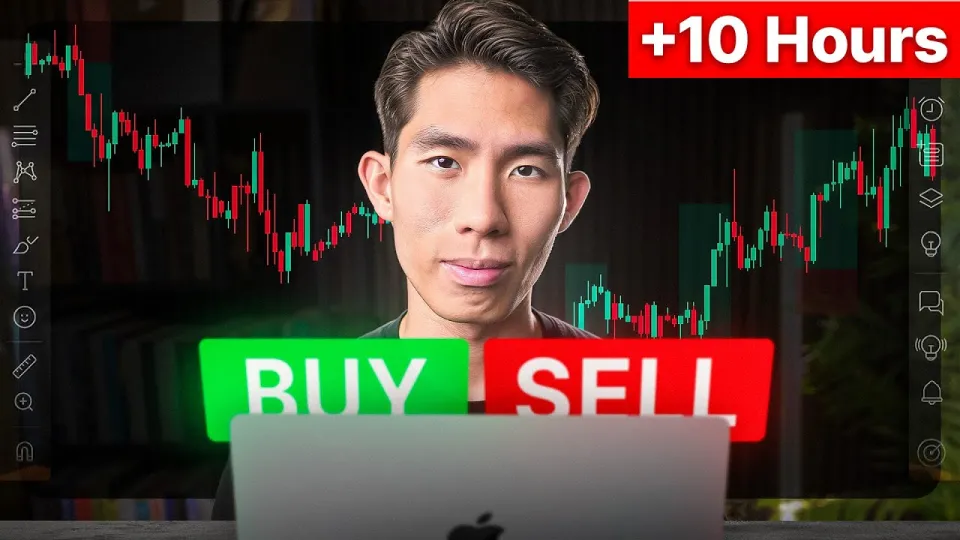
Video: How to Start Day Trading in 2026 (Full 10-Hour BEGINNER Course)
Need articles like this for your video? They help promote it on YouTube and Google — order them in the Telegram bot @sat_sit_bot. Articles with your video embedded are written and posted by the bot itself — on popular topical sites (no ads). Your first 50 articles are free.
· based on the channel Brad Goh (The Trading Geek)
Day trading is the practice of buying and selling financial instruments within the same trading day, aiming to profit from short-term price movements. To start, you need a clear mechanical plan, strict risk management, and a solid understanding of market structure—not just indicators. Brad Goh (The Trading Geek) covers all of this in his free 10-hour beginner course, and you can access his free 33-day Market Mechanics Mentorship here: Free 33-day Market Mechanics Mentorship.
What Day Trading Actually Involves
Day trading is not gambling; it is a skill that requires education, practice, and emotional control. Unlike long-term investing, day traders close all positions before the market closes, avoiding overnight risks. The goal is to capture small, repeated gains using a proven system. Brad Goh emphasizes that most beginners fail because they lack a structured approach and underestimate the psychological demands. His course breaks down the entire process into four chapters: foundations, technical analysis, mechanical strategies, and mindset.
Essential Foundations of Forex Trading
Forex trading involves exchanging currency pairs, and it is the most liquid market in the world. Beginners must understand currency pairs, pips, lots, leverage, and margin. Brad Goh explains that leverage can amplify both profits and losses, so proper risk management is crucial. He also recommends using reliable trading tools and platforms—like EdgeFlo, his all-in-one trading platform—to journal trades and manage risk. Before risking real money, practice on a demo account until you can consistently execute your plan.
Technical Analysis with Smart Money Concepts
Smart Money Concepts (SMC) focus on how institutional traders move the market, using tools like market structure, liquidity, order blocks, and supply and demand zones. Brad Goh teaches that price moves in phases: accumulation, manipulation, and distribution. By identifying market structure shifts and liquidity sweeps, traders can anticipate reversals. Key concepts include:
- Market structure: higher highs and higher lows in an uptrend, lower highs and lower lows in a downtrend.
- Liquidity: areas where stop-losses cluster, often targeted by institutions.
- Order blocks: the last candle before a strong move, indicating institutional interest.
- Flip zones: support that becomes resistance (or vice versa) after a breakout.
Understanding these concepts helps traders align with institutional order flow rather than retail indicators.
Risk Management and Mechanical Strategies
Risk management is the difference between surviving and blowing up. Brad Goh recommends risking no more than 1% of your account per trade and using a fixed risk-reward ratio. A mechanical trade plan removes emotions: you define entry, stop-loss, and take-profit levels before the trade. The course includes three proven strategies:
- Sniper Entry: waiting for a high-probability setup at a key level.
- 1-Minute Scalping: quick trades using tight stops and small targets.
- Simplified Trade Plan: a step-by-step framework that combines market phases and the 3-step framework.
Backtesting and journaling every trade are essential to refine the system.
Mindset and Daily Routine for Consistent Trading
Trading success is 20% strategy and 80% psychology. Brad Goh shares his daily routine, which includes pre-market analysis, meditation, and reviewing past trades. He stresses the importance of focus, discipline, and treating trading like a business. The "7 Figures Funded Blueprint" outlines how to scale a small account to six or seven figures through prop firms and consistent risk management. Beginners should avoid revenge trading, overtrading, and chasing losses—common pitfalls that lead to blown accounts.
Common Questions from New Traders
Many beginners ask: How much money do I need to start? Brad Goh suggests starting with a small account ($500–$1,000) or a demo account to practice. Another common question is how long it takes to become profitable—typically 6–12 months of dedicated study and screen time. Some viewers worry about losing money early on; Brad himself lost over $10,000 and blew 7 accounts before turning profitable. The key is to learn from mistakes and keep a detailed trading journal. Finally, many wonder if they can trade part-time; yes, but consistency requires a fixed schedule and focused effort.
Useful Resources
- Free 33-day Market Mechanics Mentorship
- The 1% Club mentorship
- EdgeFlo trading platform
- Recommended broker
- Recommended prop firm
Final Thoughts
Day trading is a challenging but rewarding endeavor if approached with the right mindset and education. Brad Goh (The Trading Geek) provides a comprehensive free course that covers everything from forex basics to advanced SMC strategies. Remember that consistency comes from discipline, risk management, and continuous learning. To accelerate your journey, consider joining the 1% Club mentorship and surrounding yourself with a community of like-minded traders.
Key takeaways
- Day trading requires a mechanical plan, risk control, and screen time—not luck.
- Brad Goh lost over $10,000 and blew 7 accounts before becoming profitable.
- Key concepts: market structure, liquidity, order blocks, and supply/demand zones.
- A 10-hour beginner course covers foundations, technical analysis, strategies, and mindset.
- Free 33-day Market Mechanics Mentorship available via the 1% Club link.
Source: How to Start Day Trading in 2026 (Full 10-Hour BEGINNER Course) · Markdown version
Questions & answers
How much money do I need to start day trading?
You can start with as little as $100–$500, but it's recommended to begin with a demo account to practice without risk. Brad Goh suggests that beginners focus on learning and strategy first, then gradually increase capital as they become consistent.
How long does it take to become profitable in day trading?
Most traders take 6–12 months of dedicated study and practice to become consistently profitable. It requires screen time, journaling, and refining a mechanical strategy. Brad Goh himself took about two years before making consistent profits.
What is the best strategy for beginners in day trading?
A simple mechanical strategy like the Sniper Entry or the 3-step framework works best for beginners. These strategies focus on high-probability setups at key levels, with clear entry, stop-loss, and take-profit rules, reducing emotional decision-making.
Can I day trade part-time while working a full-time job?
Yes, many successful traders start part-time. However, you need a fixed schedule and discipline to analyze markets and execute trades. Brad Goh recommends treating it like a business and dedicating consistent hours to learning and trading.